
AI Search Optimization (AEO/GEO) vs SEO in 2026
Ultimate Success Guide
Introduction
Search is no longer the same as it was a few years ago. Earlier, people depended mainly on search engines to find websites, click links, and read different pages to get answers. But in 2026, the way users search and consume information has completely changed.
Now, people expect instant answers instead of browsing multiple websites. Many users rely on AI tools, voice search, and smart assistants that deliver direct responses within seconds. This shift has transformed how online visibility works for businesses and content creators.
Because of this transformation, traditional SEO is no longer the only method used in digital marketing. New approaches like Answer Engine Optimization (AEO) and Generative Engine Optimization (GEO) are becoming more important.
These methods are not replacing SEO, but they are changing how content should be written and structured to stay visible in modern search systems.
Understanding AI Search Optimization (AEO/GEO) vs SEO in 2026 helps businesses adapt to changing search behavior and improve online visibility.
Understanding Traditional SEO
Search Engine Optimization (SEO) is the process of improving a website so that it appears in search results when people look for related topics.
The main idea of SEO is to bring organic traffic from search engines by ranking higher on results pages.
SEO works through several important elements:
Keywords
Keywords help search engines understand the topic of a page. When users search for something, search engines match those words with relevant content.
Content Quality
Search engines prefer content that is useful, informative, and well written. High-quality content helps improve ranking over time.
Technical Performance
Website speed, mobile responsiveness, structure, and usability all affect SEO performance.
Authority Building
When other websites link to your content, it improves trust and authority, which helps in ranking higher.
AEO (Answer Engine Optimization)
AEO focuses on optimizing content so that it directly answers user questions in a clear and simple way.
Instead of showing multiple search results, modern search systems often try to give users one direct answer at the top of the page.
For example, if someone asks, “What is SEO?” they expect a short explanation, not a long list of websites.
AEO helps content appear in these quick-answer formats.
Where AEO Appears
- Featured snippets in Google
- Voice assistants like Siri or Alexa
- “People also ask” sections
- Quick answer boxes
How AEO Works
AEO focuses on structuring content, so it is easy to extract answers. This includes:
- Writing content in question-based format
- Giving short and direct answers
- Using clear headings
- Adding FAQ sections
- Avoiding unnecessary complexity
The goal of AEO is simple: help users get answers quickly without extra effort.
GEO (Generative Engine Optimization)
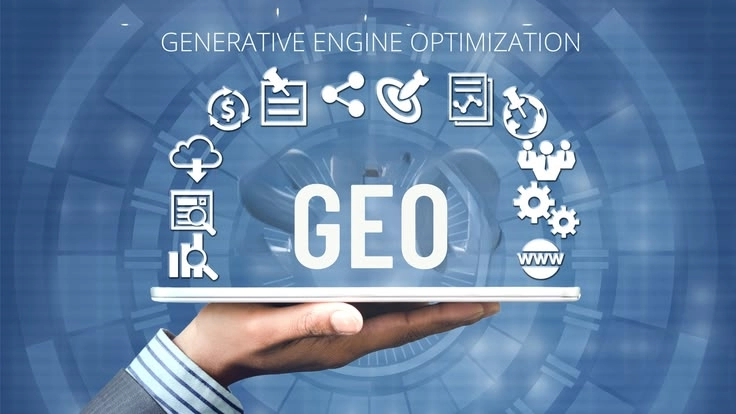
GEO is a newer concept that focuses on how content appears inside AI-generated search systems.
Instead of showing websites, AI systems collect information from different sources and generate a full answer in their own words.
This means users may not always click on websites, but content still plays a big role in shaping those AI responses.
How GEO Works
AI systems:
- Collect information from multiple sources
- Understand meaning and context
- Combine insights
- Create a single summarized response
What GEO Focuses On
- Clear and structured writing
- Simple language
- Accurate information
- Helpful explanations
- Logical flow of content
In GEO, the goal is not just ranking in search engines but becoming part of AI-generated answers.
AI Search Optimization (AEO/GEO) vs SEO in 2026: Key Differences
SEO: Improve website ranking
AEO: Provide direct answers
GEO: Appear in AI-generated content
SEO: Users click and visit websites
AEO: Users get instant answers
GEO: Users receive AI-generated explanations
SEO: Long articles with keywords
AEO: Short, question-based answers
GEO: Structured and natural writing
SEO: Users explore multiple pages
AEO: Users read quick answers
GEO: Users rely on AI summaries
SEO: Search engines
AEO: Voice assistants and snippet results
GEO: AI search tools and generative systems
Why SEO Still Matters
Despite the rapid growth of artificial intelligence and AI-powered search experiences, SEO continues to be the foundation of online visibility. Most businesses still rely heavily on search engines to attract organic traffic, reach potential customers, and build a sustainable digital presence. Without effective SEO, even high-quality content may struggle to be discovered by the right audience.
Understanding AI Search Optimization (AEO/GEO) vs SEO in 2026 highlights that traditional SEO is not becoming obsolete. Instead, it is evolving alongside new search technologies. Strong SEO practices ensure that websites remain accessible, indexable, and trustworthy sources of information for both users and AI systems.
SEO continues to provide several long-term benefits, including:
- Building website authority and credibility
- Strengthening user trust and brand reputation
- Generating consistent organic traffic over time
- Supporting efficient crawling and content indexing
- Improving overall user experience and site performance
Even in an era shaped by AI innovation, SEO remains an essential component of digital marketing and the foundation upon which AEO and GEO strategies can succeed.
Why AEO and GEO Are Growing
User expectations have changed. People now want quick, simple, and direct answers instead of long articles.
At the same time, AI systems prefer content that is:
Easy to understand
Well-structured
Clear and informative
Free from confusion
Because of this, AEO and GEO are becoming important parts of content strategy.
Best Strategy for 2026
The most effective approach is combining all three methods instead of choosing only one
SEO Strategy
Focus on keywords, backlinks, and website structure.
AEO Strategy
Focus on questions, answers, and FAQ-style content.
GEO Strategy
Focus on clarity, structure, and AI-friendly writing.
Future of AI Search Optimization (AEO/GEO) vs SEO in 2026
The future of search optimization is evolving beyond traditional rankings and keyword-focused strategies. As artificial intelligence becomes more integrated into how people discover information, users increasingly expect immediate, accurate, and personalized answers rather than a list of links to explore.
Understanding AI Search Optimization (AEO/GEO) vs SEO in 2026 is becoming essential for businesses, marketers, and content creators who want to remain visible in this changing digital environment. Search engines are transforming into intelligent systems that can interpret intent, summarize information, and deliver direct responses through AI-powered experiences.
However, this shift does not signal the end of traditional SEO. Websites will continue to serve as trusted sources of information, helping search engines and AI platforms access credible and valuable content. The difference is that future-ready content must be designed not only for search rankings but also for answer engines and generative AI systems.
To succeed in the years ahead, content strategies should prioritize:
- Clear and well-structured information
- Accuracy and trustworthiness
- User-focused writing that addresses real questions
- Logical content organization
- Easy-to-understand language that AI systems can interpret effectively
Businesses that adapt to these changes early will be better positioned to reach audiences across both traditional search results and emerging AI-driven platforms. In the era of AI Search Optimization (AEO/GEO) vs SEO in 2026, creating helpful, reliable, and accessible content will be the key to sustainable online visibility and long-term digital success.
Conclusion
In 2026, search optimization extends far beyond traditional SEO practices. Emerging approaches such as Answer Engine Optimization (AEO) and Generative Engine Optimization (GEO) are reshaping the way information is discovered, delivered, and consumed across digital platforms.
While SEO remains essential for driving organic visibility and building long-term authority, AEO helps content appear in direct-answer experiences, and GEO increases the chances of being referenced in AI-generated responses.
Understanding AI Search Optimization (AEO/GEO) vs SEO in 2026 plays a major role in shaping modern digital marketing strategies.
The future of digital marketing will not be about choosing one strategy over another. Instead, success will depend on combining SEO, AEO, and GEO to create content that is accurate, user-focused, well-structured, and easy for both people and AI systems to understand. Businesses that adapt to these changes early will be better positioned to achieve sustainable visibility and long-term digital growth.